On This Page
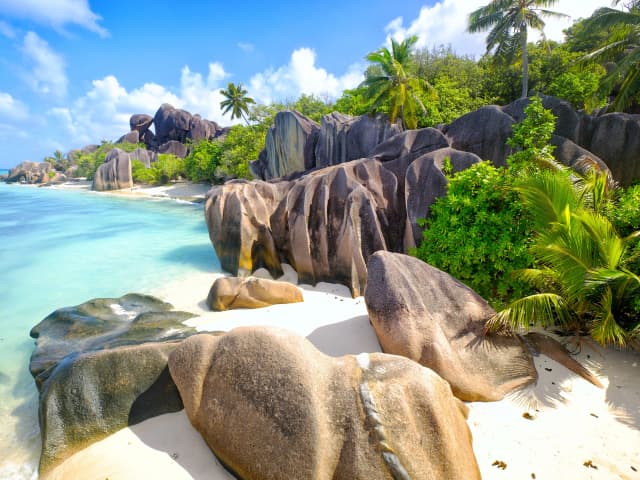
"Dive into crystal-clear waters around Maldives. February offers ideal underwater visibility. Relax on the sand and forget the world for a while."
We built this guide using recent climate data, hotel price trends, and our own trips, so you can pick the right month without guesswork.
Why Visit Maldives?
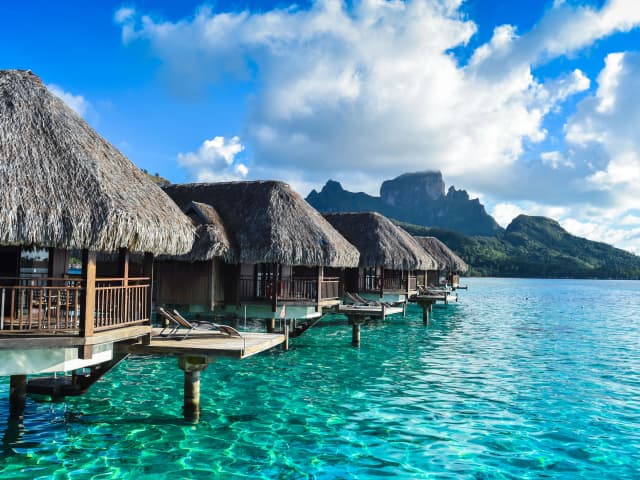
The Maldives enchants as the ultimate aspirational tropical paradise where 1,192 pristine coral islands scattered across 26 ring-shaped atolls offer powdery white-sand beaches, impossibly glass-clear lagoons teeming with graceful manta rays and ancient sea turtles, and iconic overwater bungalows perched on stilts above turquoise Indian Ocean waters stretching uninterrupted to horizons in every direction. This vulnerably low-lying island nation (pop. a little over half a million people, one of the world's lowest-lying countries with highest natural point often cited around 2.4m above sea level, though some altered sites are reported higher) faces genuine existential climate change threats with rising seas, yet paradoxically remains the world's most sought-after honeymoon and luxury resort destination—exclusive private island resorts accessible only by scenic seaplane transfers or speedboat provide ultimate castaway fantasies where personal butlers serve champagne at sunset and couples enjoy absolute privacy.
Tiny Malé capital crams around 212,000 people into approximately 8.3 km² (2022 figures, including reclaimed areas and linked/satellite islands) with colorful buildings, bustling fish markets selling fresh tuna, and Grand Friday Mosque's distinctive golden dome—yet most international visitors simply transit directly to resort islands via dramatic seaplane transfers ($306–$613 / Rf4,735–Rf9,469 return per person) revealing the atolls' spectacular circular coral reef formations from aerial perspective. Each luxury resort occupies an entire private island: lavish overwater villas with glass floor panels reveal tropical fish swimming beneath beds, infinity pools seamlessly blur into endless ocean, and pristine house reefs mere steps from beaches let snorkelers encounter reef sharks, rays, and kaleidoscopic tropical fish without boat trips. World-class diving ranks among planet's finest—South Ari Atoll offers year-round whale shark encounters, with many dive centers reporting peak sightings in the drier months and again late in the year, Baa Atoll UNESCO Biosphere Reserve's spectacular manta ray cleaning stations (best May-November), and dramatic channel dives where strong currents attract large pelagics including sharks and eagle rays.
Yet budget-conscious options increasingly emerged: Maafushi, Gulhi, and Thulusdhoo local inhabited islands now host guesthouses ($41–$100 / Rf637–Rf1,548/night) and budget hotels letting travelers experience Maldives affordably, with designated bikini beaches separate from conservative local Muslim residential areas respecting Islamic values. The food scene spans resort fine dining featuring fusion cuisine and international buffets to authentic local Maldivian specialties like garudhiya (fragrant tuna and coconut fish curry), mas huni (shredded smoked tuna with coconut, breakfast staple), and coconut-based curries—fresh tuna absolutely dominates every menu caught from morning fishing trips. Magical bioluminescent beaches on certain islands (Vaadhoo most famous) glow ethereal electric blue at night when disturbed phytoplankton sparkle brilliantly with each footstep or wave creating unforgettable natural phenomenon.
Malé's artificial beach, colorful buildings, local cafés, and fish market offer authentic Maldivian daily life contrasting isolated luxury resort experiences. Visit November-April dry season for ideal conditions (28-31°C / 82-88°F, calm seas, clearest diving visibility), while May-October southwest monsoon brings higher chances of rain, rougher seas, occasional storms, but significantly lower resort prices and still-gorgeous weather most days. With year-round tropical warmth, diving visibility typically clearest November-April, though the plankton-rich months that draw mantas and whale sharks can slightly reduce viz, extremely expensive luxury resorts ($306–$1,520+ / Rf4,735–Rf23,491+ per night all-inclusive) versus emerging budget options on local islands ($41–$100 / Rf637–Rf1,548), strict Muslim local culture versus resort alcohol and bikinis, and that ultimate combination of pristine natural beauty, underwater wonders, romantic isolation, and barefoot luxury, the Maldives delivers bucket-list tropical perfection, world-class diving, honeymoon paradise, and Instagram-perfect overwater villas making it the Indian Ocean's most photogenic and aspirational destination despite considerable expense and existential climate vulnerability.
What to Do
Resort & Overwater Experiences
Overwater Villas
Iconic overwater bungalows with glass floors showing fish, direct lagoon access via stairs, and outdoor decks for private sunset viewing. Resorts range from $424 / Rf6,556/night mid-range (Adaaran, Centara) to $2,120+ / Rf32,778+/night ultra-luxury (Soneva, Gili Lankanfushi, Conrad). All-inclusive packages often better value than room-only. Book 6-12 months ahead for peak season (Dec-March). Most resorts are adults-only or have family wings. Seaplane transfers are part of the experience—photograph atolls from air.
Private Island Resorts
Each resort occupies an entire island—you'll rarely leave during your stay. All-inclusive packages ($848–$3,181+ / Rf13,111–Rf49,167+/day) cover meals, drinks, watersports, and sometimes diving. Budget local islands (Maafushi, Gulhi) offer guesthouses from $42–$85 / Rf656–Rf1,311/night—bikini beaches designated, alcohol prohibited. Choose resort vs local island based on budget and preference for luxury isolation vs cultural immersion. Resorts require seaplane (scenic, $318–$636 / Rf4,917–Rf9,833 return) or speedboat transfers.
House Reef Snorkeling
Most resorts have house reefs accessible directly from beach—free snorkeling steps from your villa. Expect colorful coral, reef sharks (harmless blacktips), rays, turtles, tropical fish. Resorts provide free snorkel gear (or rent $10–$15 / Rf157–Rf237/day). Best times: morning (08:00–10:00 calm water) or late afternoon (16:00–18:00). Watch for currents outside lagoons. Some resorts charge for guided snorkel tours ($42–$85 / Rf656–Rf1,311) to outer reefs. House reefs vary—check reviews before booking.
Diving & Marine Life
Whale Shark Excursions (South Ari Atoll)
South Ari Atoll has year-round whale shark sightings (best March-April and September-November). Snorkel trips cost $101–$152 / Rf1,566–Rf2,349 per person including guide, boat, gear, and lunch. Sightings not guaranteed but high success rate (70-90%). Respect distance—don't touch or chase them. Trips depart resorts or local islands. Book through resort dive center or local operators. Morning departures typical. Allow half-day. PADI diving with whale sharks also available.
Manta Ray Snorkeling (Baa Atoll)
Baa Atoll UNESCO Biosphere Reserve has famous Hanifaru Bay where manta rays congregate May-November (peak July-October). Entry requires permits—resorts arrange. Snorkel trips $121–$183 / Rf1,876–Rf2,823 per person. Witness 50-200 mantas feeding on plankton in the bay—one of nature's greatest shows. Strict rules: no diving, limited numbers daily. Book far ahead for peak season. Alternative manta sites year-round at cleaning stations throughout atolls.
Channel Diving & Drift Dives
Channels between atolls offer world-class drift diving with strong currents attracting sharks, eagle rays, and pelagic fish. Popular sites: Maaya Thila, Fish Head (Mushimasmingili Thila), Manta Point. Dive packages at resorts $81–$121 / Rf1,256–Rf1,876/dive including boat, guide, gear (snorkeling typically free/low-cost; scuba diving usually paid). Liveaboards ($2,025–$4,050 / Rf31,303–Rf62,606/week) reach remote atolls. Best visibility November-April. PADI certification available at most resorts ($405–$608 / Rf6,264–Rf9,396).
Unique Experiences
Bioluminescent Beach Swimming
Some beaches glow electric blue at night from bioluminescent phytoplankton—every movement creates sparkling trails. Not guaranteed or predictable but occurs more often May-October. Vaadhoo Island is famous for it, though it happens randomly across atolls. Resorts can tell you if it's happening. Go on dark nights (new moon) after 21:00. Wade in shallow water and watch your footsteps glow. Magical and surreal when it happens—free natural phenomenon.
Sandbank Picnics
Many resorts offer private sandbank excursions—deserted tiny sand islands appearing at low tide, perfect for romantic picnics. Typically $152–$304 / Rf2,349–Rf4,698 per couple including boat transfer, champagne, gourmet lunch, and shade setup. Snorkel around the sandbank. Usually 2-4 hour experience. Book through resort. Some sandbanks disappear at high tide. Ultimate castaway fantasy—just you, sand, and 360° ocean.
Male City Tour (Half-Day)
If you have time between flights, explore Male—Friday Mosque (free, remove shoes, modest dress), fish market (mornings, authentic), Sultan Park (free), colorful buildings, and artificial beach. Male is tiny (2km across)—walk everywhere. Tours cost $31–$51 / Rf473–Rf783 with guide. Traffic and chaos contrast resort serenity. Try local restaurants for authentic Maldivian fish curry ($3.27–$6.55 / Rf51–Rf101) instead of resort prices. Most visitors skip Male entirely.
Gallery
Travel Information
Getting There
- Airports: MLE
- From :
Best Time to Visit
November, December, January, February, March, April
Climate: Tropical
Entry Requirements
Entry rules vary by passport
Check requirements| Month | High | Low | Rainy days | Condition |
|---|---|---|---|---|
| January | 28°C | 26°C | 13 | Excellent ((best)) |
| February | 28°C | 27°C | 7 | Excellent ((best)) |
| March | 28°C | 27°C | 10 | Excellent ((best)) |
| April | 29°C | 27°C | 14 | Excellent ((best)) |
| May | 29°C | 27°C | 23 | Wet |
| June | 29°C | 27°C | 14 | Wet |
| July | 28°C | 27°C | 17 | Wet |
| August | 28°C | 27°C | 15 | Wet |
| September | 28°C | 26°C | 18 | Wet |
| October | 28°C | 26°C | 20 | Wet |
| November | 28°C | 26°C | 19 | Excellent ((best)) |
| December | 28°C | 26°C | 18 | Excellent ((best)) |
Weather data: Open-Meteo Archive (2020-2025) • Historical avg. 2020–2025
Travel Costs
Per person per day, based on double occupancy. 'Budget' reflects hostels or shared accommodation in high-cost cities.
💡 🌍 Traveler Tip (February 2026): February 2026 is perfect for visiting Maldives!
Practical Information
Getting There
Velana International Airport (MLE) is on Hulhulé Island near Malé. Resorts arrange seaplane ($318–$636 / Rf4,917–Rf9,833 return, 20-60 min, scenic) or speedboat transfers. Malé is 10 min public ferry ($1.06 / Rf16) or speedboat. Budget local islands (Maafushi) accessible by speedboat $27–$42 / Rf410–Rf656. Domestic flights serve various atoll airports for more distant resorts.
Getting Around
Walking on resort islands (most under 1km across). Speedboats and ferries connect local islands. Dhoni traditional boats. Seaplanes for resort transfers. Domestic flights connect Malé with numerous atoll airports across the country; resorts then use speedboats or seaplanes for final transfers. You won't normally use flights for casual island-hopping, but they're common for reaching more distant atolls. Malé has taxis ($3.04–$5.07 / Rf47–Rf78). No cars on most islands. Bicycles sometimes available.
Money & Payments
Maldivian Rufiyaa (MVR, Rf). Exchange rate: $1 ≈ Rf15. Resorts price in USD/EUR and accept cards. Local islands use rufiyaa—ATMs in Malé. Tipping: 10% at resorts (often included), $5.07–$10 / Rf78–Rf157/day for villa attendants.
Language
Dhivehi is official. English widely spoken at resorts and Male. Resort staff multilingual. Local islands: basic English. Communication easy in tourism. Signs in Dhivehi and English.
Cultural Tips
Muslim country: resorts exempt from restrictions (alcohol, pork, bikinis all fine). Local islands: Alcohol is not sold on local islands (though some, like Maafushi, use offshore licensed 'booze boats'), so expect no alcohol in town; resorts are exempt. Modest dress (cover shoulders/knees), respect prayer times, separate bikini beaches. Ramadan: resorts unaffected, local islands restricted. Friday holy day. Fishing villages: ask permission for photos. Remove shoes indoors. Turtles/coral: don't touch. Maldives sinking due to climate change—highest point 2.4m, sea level rising. Respect environment. Plastic bottles issue—bring reusable.
Get an eSIM
Stay connected without expensive roaming. Get a local eSIM for this trip starting from just a few dollars.
Claim Flight Compensation
Flight delayed or cancelled? You might be entitled to up to $707 in compensation. Check your claim here at no upfront cost.
Perfect 4-Day Maldives Itinerary
Arrival & Resort
Diving & Snorkeling
Island Activities
Departure
Where to Stay
North Malé Atoll
Best for: Closest to airport, luxury resorts, easy transfers, quick getaways
South Malé Atoll
Best for: World-class diving, surf breaks, marine life, slightly quieter
Ari Atoll
Best for: Whale sharks, manta rays, premium resorts, marine biodiversity
Baa Atoll (UNESCO Biosphere)
Best for: UNESCO marine reserve, Hanifaru Bay mantas, eco-luxury
Malé City
Best for: Budget guesthouses, local culture, pre/post resort stays
Local Islands (Maafushi, Thulusdhoo)
Best for: Budget beach stays, local life, bikini beaches, surf
Popular Activities
Top-rated tours and experiences in Maldives
Frequently Asked Questions
Do I need a visa to visit the Maldives?
What is the best time to visit the Maldives?
How much does a trip to the Maldives cost per day?
How many days do you need in Maldives?
Is Maldives expensive?
Is the Maldives safe for tourists?
What are the must-see attractions in the Maldives?
Why you can trust this guide

35+ countries • 8 years analyzing travel data
Independent developer and travel data analyst based in Prague. 35+ countries visited across Europe and Asia, 8+ years analyzing flight routes, accommodation prices, and seasonal weather patterns.
- Official tourism boards and visitor guides
- GetYourGuide and Viator activity data
- Booking.com and Numbeo pricing data
- Google Maps reviews and ratings
This guide combines personal travel experience with comprehensive data analysis to provide accurate recommendations.
Ready to Visit Maldives?
Book your flights, accommodation, and activities