On This Page
"Dreaming of Skopje's sunny shores? April is the sweet spot for beach weather. Come hungry—the local cuisine is unforgettable."
We built this guide using recent climate data, hotel price trends, and our own trips, so you can pick the right month without guesswork.
Why Visit Skopje?
Skopje surprises as North Macedonia's fascinatingly eclectic capital where the sprawling Ottoman Old Bazaar (Čaršija) preserves vibrant 500+ years of continuous trading tradition across atmospheric lanes, iconic Stone Bridge, with its 12 arches, spans the Vardar River symbolically connecting Eastern and Western civilizations, and wildly controversial Skopje 2014 government project, a huge makeover that ultimately produced around 136 new or revamped buildings, monuments and facades (dozens of statues, elaborate fountains, and neoclassical structures) audaciously transforming previously understated cityscape into bizarre open-air sculpture park that locals either passionately love as national pride or vehemently hate as expensive kitsch grandeur. This complex Balkan capital (city pop. approximately 530,000, metro area 620,000) dramatically rebuilt following devastating July 1963 earthquake that killed 1,070 people and destroyed 80% of buildings now presents jarring architectural collision—functional brutalist Yugoslav reconstruction blocks, preserved Ottoman Islamic heritage, and recent nationalist baroque revival creating sometimes chaotic but undeniably fascinating urban landscape.
The expansive Old Bazaar (Čaršija e Vjetër, free to wander) genuinely ranks among the largest and best-preserved Ottoman bazaars remaining anywhere in the Balkans—narrow cobbled lanes wind past active mosques with minarets calling prayers, atmospheric caravanserai courtyards, and traditional craft workshops where skilled copper smiths still hammer vessels by hand perpetuating centuries-old techniques, while elegant Daut Pasha Hamam (impressive 15th-century Turkish bathhouse converted to contemporary art gallery, $1.88 / 99 ден entry) and beautiful Mustafa Pasha Mosque showcase Ottoman architectural elegance. The historic Stone Bridge (rebuilt multiple times across centuries, current structure largely from 1469) prominently connects Old Bazaar to controversial neoclassical Macedonia Square where an enormous 22-metre-tall Alexander-the-Great-style warrior monument astride dramatically rearing horse dominates dancing fountains and recently constructed government buildings awkwardly clad in classical columns despite being entirely modern. Yet Skopje genuinely rewards curious exploration beyond polarizing statue debate—stunning Matka Canyon (17km southwest, 30-minute drive or bus, free canyon access, boat trips approximately $3.53–$12 / 185 ден–617 ден depending on length and operator) offers kayaking through dramatic 5-kilometer limestone gorge, boat trips to Vrelo Cave (one of world's deepest underwater caves), and medieval Monastery of St.
Andrew perched dramatically on canyon cliffside, Vodno Mountain's towering Millennium Cross (66 meters tall, one of world's largest crosses) reaches via cable car (around $2.36 / 123 ден return) providing expansive panoramic views across entire Skopje valley extending to Albania on exceptionally clear days, and hilltop Kale Fortress ruins (free to visit, generally open during daylight hours) survey the strategic Vardar valley where Romans, Byzantines, and Ottomans successively ruled for millennia. Interesting museums include nationalist Museum of the Macedonian Struggle (around $5.89 / 309 ден for foreign visitors; less for locals and students, politically charged but impressive marble interiors) and moving Mother Teresa Memorial House (free entry; she was born here in 1910 to an Albanian Catholic family). The celebrated Macedonian food scene serves beloved regional staples: tavče gravče (slow-baked bean stew served in traditional clay pot, official national dish, $3.77 / 197 ден), ubiquitous ajvar (delicious roasted red pepper spread accompanying practically everything), and grilled kebapi (similar to Balkan ćevapi, around $2.95–$4.95 / 154 ден–259 ден)—all served at authentic family-run restaurants like Pelister and Skopski Merak.
Sophisticated Skopje café culture rivals Vienna—locals socialize for hours over single espresso ($0.94–$1.53 / 49 ден–80 ден) at countless outdoor terraces lining tree-shaded Debar Maalo district streets, while rakija fruit brandy shots (40% alcohol, various fruit flavors) traditionally end meals. Excellent day trips reach stunning UNESCO-listed Lake Ohrid (3 hours, Macedonia's crown jewel with Byzantine churches and crystal waters), neighboring Kosovo's capital Pristina (1.5 hours enabling easy cross-border exploration), and Bulgarian border. Visit pleasant April-June or September-October for ideal 18-28°C (64-82°F) walking weather avoiding brutal July-August heat (30-38°C / 86-100°F), while winter (November-March) brings cold temperatures (-2 to 10°C / 28-50°F).
With remarkably affordable prices ($35–$65 / 1,851 ден–3,394 ден/day making it among Europe's cheapest capitals), decent English spoken by educated youth and tourism workers, bizarre statue obsession creating endless Instagram-worthy absurdist fodder, and authentic Balkan culture experienced minus overwhelming tourist crowds found elsewhere, Skopje delivers North Macedonia's most accessible and affordably priced gateway—whether you love or hate the controversial neoclassical aesthetics, the atmospheric Old Bazaar's Ottoman trading heritage, Matka Canyon's natural beauty, and dirt-cheap costs absolutely justify curious visit.
What to Do
Ottoman Heritage
Old Bazaar (Čaršija)
One of the largest and best-preserved Ottoman bazaars in the Balkans preserves 500+ years of trading tradition across narrow lanes (free to wander). Copper smiths hammer in workshops, mosques call prayers, caravanserai courtyards serve Turkish coffee. Browse Bit Pazar flea market (Saturday mornings best), Daut Pasha Hamam bathhouse turned gallery ($1.88 / 99 ден), and Mustafa Pasha Mosque (free entry). Morning (09:00–11:00) catches artisans working. Evening (17:00–20:00) cafés fill with hookah smokers. Allow 2-3 hours wandering. Start from Stone Bridge side.
Stone Bridge
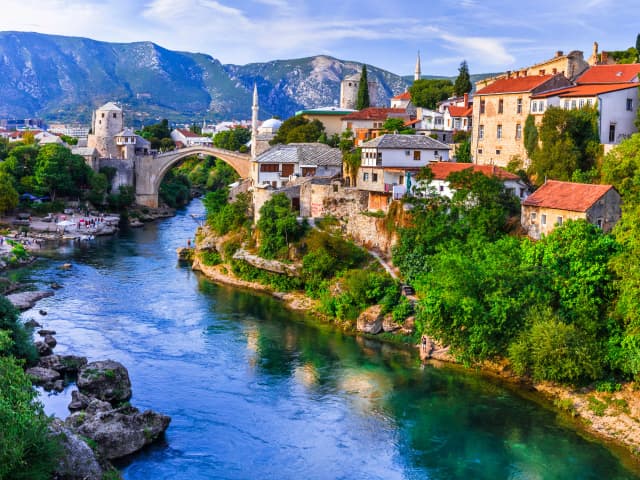
12-arch Ottoman bridge (rebuilt multiple times, current version 1469) connects old and new Skopje across Vardar River (free to walk). Symbol of the city and iconic landmark. Walk from Macedonia Square to Old Bazaar (5 minutes). Best photographed from riverbanks at golden hour (sunset). Locals fish from arches. Street vendors sell corn. Always crowded—watch for pickpockets. Often combined with Macedonia Square's statue-palooza as introductory walk.
Kale Fortress
Hilltop fortress ruins offer panoramic views over Vardar valley, city, and mountains (free entry, always open). Built 6th century by Byzantines, expanded by Ottomans. Walk ramparts, explore towers, archaeological excavations visible. Sunset views excellent but poorly lit—visit late afternoon (16:00–18:00). Steep 10-minute climb from Old Bazaar. Bring water—no facilities. Often hosts outdoor concerts and cultural events summer weekends. Cats everywhere (typical Balkans).
Controversial Modern Skopje
Macedonia Square & Statues
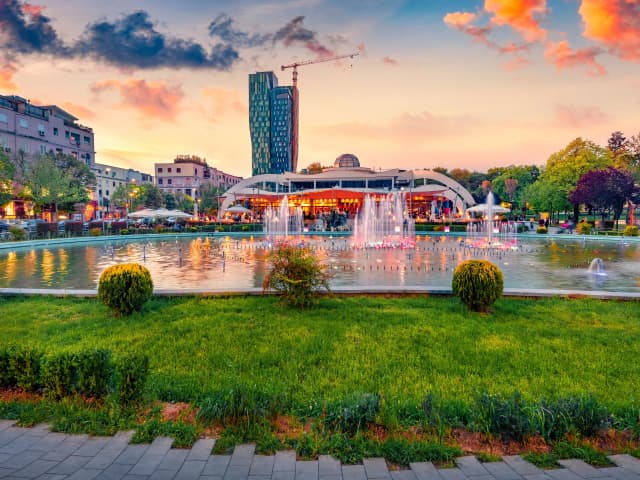
Controversial Skopje 2014 project added about 136 structures (dozens of statues, fountains and neoclassical facades) creating outdoor sculpture park locals love or hate (free to walk). Centerpiece: 22m Alexander the Great on rearing horse atop fountains. Also see Mother Teresa statue, medieval warriors, lions, ships. Government buildings clad in columns despite being modern. Absurdly photogenic—embrace kitsch. Evening (19:00–21:00) fountains illuminated. Walk takes 30 minutes to see main statues. Combine with Stone Bridge and Old Bazaar circuit. Love it or hate it—impossible to ignore.
Museum of Macedonian Struggle
Government museum (approximately $5.89 / 309 ден, closed Mondays, open Tue-Sun 10:00–18:00) in neoclassical building explains Macedonia's fight for independence with wax figures and dioramas. Controversial content (Greece disputes some historical claims). Impressive interior—marble halls, ornate ceilings. English signs. Allow 60 minutes. Skip if tired of nationalist narrative. Interesting for Balkan history context. Located Macedonia Square. Photography allowed.
Nature Escapes
Matka Canyon
Dramatic 5km gorge approximately 17km southwest offers kayaking, hiking, and monastery visits (free canyon access, boat trips cost roughly $3.53–$12 / 185 ден–617 ден depending on length and operator). Rent kayak or take boat to Vrelo Cave—one of world's deepest underwater caves. Medieval Monastery of St. Andrew perches on cliffside. Walk trails along canyon rim (2-3 hours) or waterside path. Restaurant at entrance serves trout. Best spring/fall—summer hot. Take taxi or bus 60 from center (30 minutes). Half-day trip. Bring swimwear for kayaking.
Mount Vodno & Millennium Cross
Cable car climbs to Millennium Cross (66m-tall, one of world's largest crosses, approximately $2.36 / 123 ден return). Panoramic views over Skopje valley from 1,066m peak. Alternatively, hike up (2-3 hours, free but steep). Restaurant at top. Clear days see Albania. Cable car typically operates 10:00–18:00 with seasonal variations, often closed Mondays—check JSP updates. Cross illuminated at night visible from city. Popular sunset spot. Bring jacket—windy and 10°C (50°F) cooler than city. Combine with Matka Canyon same day if driving.
Food & Culture
Macedonian Cuisine
Try tavče gravče (baked bean stew in clay pot, national dish, $3.77 / 197 ден), ajvar (roasted pepper spread, accompanies everything), and kebapi (grilled meat similar to ćevapi, $2.89–$4.77 / 151 ден–250 ден). Best restaurants: Pelister (traditional near Old Bazaar), Skopski Merak (authentic), Old Town House. Lunch time (12:00–14:00) offers daily specials ($3.53–$5.89 / 185 ден–309 ден). Shopska salad ubiquitous. Try Macedonian wine (Tikveš region improving). Rakija shots (fruit brandy, 40% alcohol) end meals.
Café Culture & Debar Maalo
Skopje's café culture rivals Vienna—Macedonians socialize over coffee for hours. Debar Maalo district (15-minute walk from center) has tree-lined streets with outdoor terraces. Order espresso or Turkish coffee ($0.94–$1.53 / 49 ден–80 ден), watch people for hours. Cake slice (torta) $1.88 / 99 ден. Cafés double as evening bars. Young locals gather here vs. touristy Macedonia Square. Sunday afternoons see families strolling. Internet cafés still exist ($1.14 / 60 ден/hour—nostalgia!). Evening aperitivo culture developing.
Gallery
Travel Information
Getting There
- Airports: SKP
- From :
Best Time to Visit
April, May, September, October
Climate: Warm
Entry Requirements
Schengen Area
Check requirements| Month | High | Low | Rainy days | Condition |
|---|---|---|---|---|
| January | 9°C | 1°C | 9 | Good |
| February | 13°C | 2°C | 6 | Good |
| March | 16°C | 4°C | 10 | Good |
| April | 20°C | 8°C | 9 | Excellent ((best)) |
| May | 25°C | 13°C | 11 | Excellent ((best)) |
| June | 31°C | 17°C | 8 | Good |
| July | 35°C | 19°C | 5 | Good |
| August | 34°C | 19°C | 6 | Good |
| September | 29°C | 15°C | 6 | Excellent ((best)) |
| October | 21°C | 10°C | 7 | Excellent ((best)) |
| November | 15°C | 6°C | 9 | Good |
| December | 10°C | 3°C | 9 | Good |
Weather data: Open-Meteo Archive (2020-2025) • Historical avg. 2020–2025
Travel Costs
Per person per day, based on double occupancy. 'Budget' reflects hostels or shared accommodation in high-cost cities.
💡 🌍 Traveler Tip (February 2026): Plan ahead: April is coming up and offers ideal weather.
Practical Information
Getting There
Skopje Airport (SKP) is approximately 23km southeast. Shuttle buses to center cost approximately $3.89 / 204 ден (30 min). Taxis approximately $29 / 1,543 ден (fixed rate). Buses connect Ohrid (3hr, $7.07 / 370 ден), Pristina Kosovo (1.5hr, $5.89 / 309 ден), Sofia (5hr, $18 / 926 ден). Trains limited. Bus station is 1.5km from center—walk or taxi.
Getting Around
Skopje center is compact and walkable—Old Bazaar to Macedonia Square 10 min. City buses ($0.71 / 37 ден) serve wider areas. Taxis cheap—agree price before ($2.95–$5.89 / 154 ден–309 ден typical trips). Most attractions walkable. Matka Canyon requires taxi or tour. Skip rental cars in city—parking chaotic.
Money & Payments
Macedonian Denar (MKD, ден). Exchange rate: $1 ≈ 52 ден. Euros accepted in many tourist places. ATMs plentiful—avoid Euronet (high fees). Cards accepted in hotels and restaurants. Cash needed for bazaar, street food, small shops. Tipping: round up or 10%. Extremely affordable—budget goes far.
Language
Macedonian is official (Cyrillic script). Albanian widely spoken (25% population). English spoken by younger people in tourist areas. Older generation may only speak Macedonian. Signs often Macedonian-only. Learning basic phrases helpful: Fala (thanks), Molam (please). Tourism staff speak English.
Cultural Tips
Skopje 2014: government project erected 136 statues, fountains, neoclassical buildings—locals divided (kitsch vs pride). Alexander the Great: disputed heritage (Greece contests Macedonian claim). Old Bazaar: Ottoman legacy, mosques, bazaar culture, haggling rare. Stone Bridge: symbol of Skopje, connects old and new. Matka Canyon: kayaking, hiking, medieval monasteries, nature escape. Earthquake 1963: destroyed city, Mother Teresa was ethnic Albanian from Skopje. Tavče gravče: bean stew, national dish. Ajvar: pepper spread, accompanies everything. Rakiya: fruit brandy. Shopska salad: regional Balkan standard. Mother Teresa: born here, Albanian Catholic, memorial house. Cyrillic: learn basics or translator. Sunday: bazaar and shops mostly open. Cheap: North Macedonia cheapest European capital. Taxi scams: agree price before riding. Remove shoes in homes. Albanian minority: 25% population, ethnic relations generally fine. Kosovo nearby: 1.5hr, day trip possible.
Get an eSIM
Stay connected without expensive roaming. Get a local eSIM for this trip starting from just a few dollars.
Claim Flight Compensation
Flight delayed or cancelled? You might be entitled to up to $707 in compensation. Check your claim here at no upfront cost.
Perfect 3-Day Skopje Itinerary
Old Bazaar & Ottoman Heritage
Matka Canyon
Views & Culture
Where to Stay
Macedonia Square & Center
Best for: Central statues, shopping, main square, government buildings
Old Bazaar (Stara Čaršija)
Best for: Ottoman heritage, authentic Balkan atmosphere, traditional crafts, food
Debar Maalo
Best for: Trendy cafés, restaurants, nightlife, expat scene, local energy
Vodno Mountain Base
Best for: Nature access, Millennium Cross views, hiking, peaceful stays
Popular Activities
Top-rated tours and experiences in Skopje
Frequently Asked Questions
Do I need a visa to visit Skopje?
What is the best time to visit Skopje?
How much does a trip to Skopje cost per day?
How many days do you need in Skopje?
Is Skopje expensive?
Is Skopje safe for tourists?
What are the must-see attractions in Skopje?
Why you can trust this guide

35+ countries • 8 years analyzing travel data
Independent developer and travel data analyst based in Prague. 35+ countries visited across Europe and Asia, 8+ years analyzing flight routes, accommodation prices, and seasonal weather patterns.
- Official tourism boards and visitor guides
- GetYourGuide and Viator activity data
- Booking.com and Numbeo pricing data
- Google Maps reviews and ratings
This guide combines personal travel experience with comprehensive data analysis to provide accurate recommendations.
Ready to Visit Skopje?
Book your flights, accommodation, and activities