On This Page
"Dreaming of Valencia's sunny shores? April is the sweet spot for beach weather. Come hungry—the local cuisine is unforgettable."
We built this guide using recent climate data, hotel price trends, and our own trips, so you can pick the right month without guesswork.
Why Visit Valencia?
Valencia captivates as Spain's third-largest city (population 800,000; 1.6 million metro) and birthplace of paella, where Santiago Calatrava's futuristic City of Arts and Sciences meets golden Mediterranean urban beaches, UNESCO-protected Las Fallas festival explodes with fire and fireworks each March, and laid-back Valencian culture offers Barcelona's Mediterranean vibrancy without the tourist overwhelm, higher prices, or Catalan independence tensions. The City of Arts and Sciences stuns with Calatrava's white skeletal bone-like structures housing L'Oceanogràfic (Europe's largest aquarium with sharks, belugas, and underwater tunnels, ~$45–$49 / €38–€42 depending on date/purchase channel), Hemisfèric IMAX, Príncipe Felipe Science Museum, and Palau de les Arts Reina Sofía opera house in the repurposed Turia riverbed. This old river, diverted after devastating October 1957 floods killed 81 people, now forms one of Spain's largest urban parks stretching ~9 kilometers through the city with gardens, bike paths (rent bikes $2.36 / €2/hour), playgrounds, and sports facilities.
Historic Valencia preserves its heritage in the Old Town's Gothic Cathedral ($12 / €10 entry including museum, $3.53 / €3 for Miguelete tower) housing what's claimed as the Holy Grail chalice, Miguelete tower's 207 steps offering 360° panoramas, La Lonja de la Seda's UNESCO-listed 15th-century silk exchange with twisted columns and vaulted trading hall, and Plaza de la Virgen where locals gather beneath the fountain's Turia River personification. Yet Valencia's soul lives in neighborhood life—Mercado Central with more than 250 stalls (one of Europe's largest fresh food markets) overflow with Mediterranean seafood, Iberian jamón, exotic fruits, and horchata vendors beneath stunning 1928 modernist iron-and-glass domed architecture, while Ruzafa's (Russafa) hipster bars, vintage shops, and international restaurants attract creative youth to formerly-working-class streets now gentrifying. Beach culture thrives at urban Malvarrosa and Las Arenas wide sandy beaches where locals play beach volleyball, paddleball, and football, while traditional horchaterías serve horchata de chufa (sweet tiger nut milk, Valencia's signature drink) ice-cold with fartons (elongated sweet pastries for dunking).
The authentic paella valenciana uses chicken, rabbit, and garrofó beans with saffron rice cooked over orange-wood fire—NOT seafood—best eaten Thursday lunchtimes or Sundays at beachfront restaurants in Albufera wetlands' El Palmar village where the dish originated among fishermen and farmers. Las Fallas festival (March 15-19) culminates in La Cremà when enormous satirical ninot sculptures are burned citywide (City Hall monument burns at 23:00 on March 19, others later in the night) in spectacular fireworks, the winner saved in Fallas Museum. The festival includes daily mascletà firecracker displays at 14:00 in Plaza del Ayuntamiento shaking windows with rhythmic explosions.
Bioparc Zoo's barrier-free African habitats, Albufera Natural Park's wetland rice paddies and sunset boat rides, and L'Hemisfèric's dome screenings round out activities. Day trips reach medieval Xàtiva with castle ruins (1 hour), or you can take a boat to Ibiza (ferry ~5-6 hours, fastest just under 5h). Visit March-June or September-November for ideal 18-28°C (64-82°F) weather, though July-August beach season brings 30-35°C (86-95°F) heat.
With affordable prices ($94–$141 / €80–€120/day; paella $14–$24 / €12–€20, menu del día $14 / €12, hotels $71–$141 / €60–€120), wide urban beaches accessible by tram or metro, bike-friendly flat infrastructure (Valenbisi bike-share), friendlier locals than Barcelona (madrileños insist Valencia is Spain's friendliest big city), and authentic Spanish coastal living where tourists remain minority except Las Fallas week, Valencia delivers relaxed Mediterranean lifestyle, architectural wow-factor, paella authenticity, and Spain's underrated third city charm.
What to Do
Valencia Icons
City of Arts and Sciences
Santiago Calatrava's futuristic white structures house cutting-edge attractions. The Oceanogràfic aquarium (Europe's largest, ~$45–$49 / €38–€42 for adults depending on date/purchase channel) showcases marine life from different oceans—allow 3-4 hours. Hemisfèric IMAX (~$10 / €8.9 for adults) screens nature and space documentaries. Science Museum (Príncipe Felipe, ~$11–$12 / €9–€10 for adults) has interactive exhibits. Combined tickets save money. Go weekday mornings to avoid crowds. The complex is photogenic from outside for free. Sunset reflections in the pools are magical.
Malvarrosa Beach
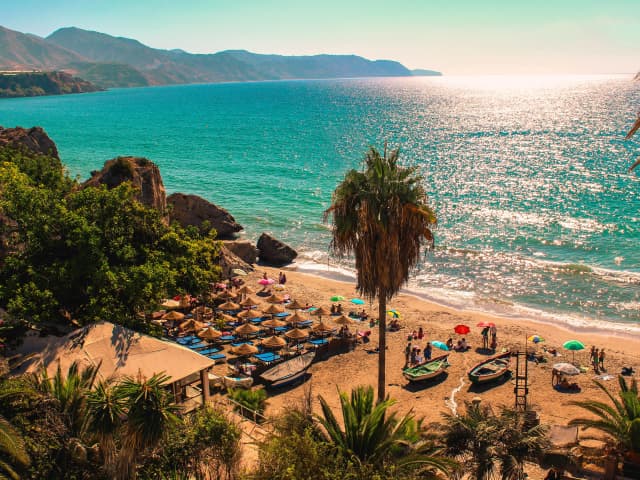
Urban beach stretches 2km along the Mediterranean, easily reached by metro (Maritim-Serrería stop). Free access, clean sand, lifeguards in summer. Beach showers and footwashes available. Rent loungers or bring a towel. The promenade (Paseo Marítimo) has seafood restaurants famous for paella—book ahead on weekends. Go early summer morning (08:00–10:00) for calm before crowds, or late afternoon. Swimming season April-October. Sunset volleyball games common.
Mercado Central
One of Europe's largest and most beautiful fresh markets in stunning 1920s modernist building with iron-and-glass architecture. More than 250 stalls sell seafood, jamón, cheeses, fruits, and local produce. Free to browse (open Mon-Sat 07:30–15:00, closed Sundays). Go mid-morning (09:00–11:00) for full energy. Try horchata at nearby traditional horchaterías. The colorful ceramics and Art Nouveau details make it a photographer's dream. Essential Valencian experience.
Historic Valencia
Valencia Cathedral & Miguelete Tower
Gothic cathedral claiming to hold the Holy Grail (displayed in chapel). Cathedral cultural visit $12 / €10 (includes museum and Grail chapel). Climb the octagonal Miguelete bell tower (207 steps, $3.53 / €3 separate ticket) for 360° city views—go late afternoon for golden light. The cathedral mixes Gothic, Romanesque, and Baroque styles. Allow 1 hour. Located in the heart of Old Town near Plaza de la Virgen. Modest dress required.
La Lonja de la Seda (Silk Exchange)
UNESCO-listed 15th-century Gothic masterpiece where silk merchants traded. The Contracting Hall's twisted columns and vaulted ceiling are breathtaking. Entry $2.36 / €2 (free Sundays and holidays). Allow 30-45 minutes. Go early or late to avoid tour groups. The orange tree courtyard is peaceful. Located near Mercado Central—combine visits. One of Valencia's most important historical buildings.
Turia Gardens (Jardí del Túria)
Former riverbed transformed into 9km green park stretching through the city after 1957 floods. Free to explore on foot or bike. Rent bikes from Valenbisi stations ($16 / €13/week, first 30 min free) or private shops ($12 / €10/day). The gardens connect downtown to City of Arts and Sciences. Popular with joggers, families, and picnickers. 18 bridges cross overhead. Great for walking or cycling—shady and car-free.
Food & Local Life
Authentic Paella Experience
Valencia invented paella—authentic valenciana has rabbit and snails, NOT seafood. Best eaten at beachside restaurants in El Palmar (30 min south) or Malvarrosa. Famous spots: La Pepica, Casa Carmela ($18–$24 / €15–€20/person, 2-person minimum). Paella is a LUNCH dish (13:00–15:00), never dinner. Order ahead—it takes 20-30 min to cook. Thursdays traditionally pau en llauna; Sundays paella day. Don't rush—savor with local wine.
Ruzafa Neighborhood
Hip multicultural barrio south of center. Vintage shops, craft beer bars, international restaurants, and street art. Carrer de Sueca is the main drag. Go evening (19:00–23:00) when bars fill with locals. Try tapas crawl or settle into a terrace. Market (Mercado de Ruzafa) open mornings. Gentrifying but still retains authentic edge. Young, creative vibe. Safe and fun for nightlife.
Horchata & Fartons
Traditional Valencian drink made from tiger nuts (chufas), sweet and milky. Pair with fartons (sweet elongated pastries for dunking). Try Horchatería Santa Catalina (historic) or Daniel (local favorite). Horchata costs $2.36–$4.71 / €2–€4, fartons $1.18–$2.36 / €1–€2. Refreshing on hot summer days. Also try agua de Valencia (cocktail with cava and orange juice). Quintessential Valencian treat—don't leave without trying.
Gallery
Travel Information
Getting There
- Airports: VLC
- From :
Best Time to Visit
April, May, June, September, October
Climate: Warm
Entry Requirements
Schengen Area
Check requirements| Month | High | Low | Rainy days | Condition |
|---|---|---|---|---|
| January | 16°C | 8°C | 4 | Good |
| February | 18°C | 9°C | 3 | Good |
| March | 19°C | 11°C | 10 | Good |
| April | 21°C | 13°C | 7 | Excellent ((best)) |
| May | 25°C | 16°C | 7 | Excellent ((best)) |
| June | 29°C | 21°C | 6 | Excellent ((best)) |
| July | 32°C | 23°C | 3 | Good |
| August | 33°C | 23°C | 3 | Good |
| September | 29°C | 20°C | 9 | Excellent ((best)) |
| October | 25°C | 17°C | 7 | Excellent ((best)) |
| November | 21°C | 13°C | 5 | Good |
| December | 17°C | 10°C | 4 | Good |
Weather data: Open-Meteo Archive (2020-2025) • Historical avg. 2020–2025
Travel Costs
Per person per day, based on double occupancy. 'Budget' reflects hostels or shared accommodation in high-cost cities.
💡 🌍 Traveler Tip (February 2026): Plan ahead: April is coming up and offers ideal weather.
Practical Information
Getting There
Valencia Airport (VLC) is 8km west. Metro Lines 3/5 to center ~$5.65 / €4.8 + $1.18 / €1 card = $6.83 / €5.8 first trip (25 min). Bus Line 150 ~$1.71 / €1.45. Taxis $29–$35 / €25–€30. Valencia Joaquín Sorolla station serves high-speed AVE trains from Madrid (1h40min), Barcelona (3h). Estació del Nord for regional trains and buses.
Getting Around
Valencia Metro and tram is efficient (10 lines including tram). Single ticket $1.77 / €1.5, 10-trip pass from ~$11–$13 / €9–€11 depending on zones. Tourist Card $18 / €15/24hr with museums. Bikes are the best way to explore—Valenbisi bike-share or rentals ($12 / €10/day). Turia Gardens form a ~9km green bike highway. Buses supplement. Taxis cheap ($7.07–$12 / €6–€10 short trips). Very walkable center. Avoid rental cars.
Money & Payments
Euro (EUR, €). Cards widely accepted including markets and small tapas bars. ATMs available—avoid Euronet (high fees). Exchange rate: €1 ≈ $1.18. Tipping: round up or 5-10% appreciated but not obligatory. Prices moderate—cheaper than Barcelona or Madrid. Paella $14–$21 / €12–€18, tapas $3.53–$7.07 / €3–€6, horchata $2.36–$3.53 / €2–€3, coffee $1.77–$2.95 / €1.5–€2.5. Menu del día lunch $14–$19 / €12–€16.
Language
Spanish and Valencian (Catalan dialect) are co-official. English spoken in hotels and tourist areas. Less English than Barcelona. Learning Spanish basics helps. Menus often bilingual Spanish/Valencian.
Cultural Tips
Lunch 14:00–16:00, dinner 9pm-late. Paella is LUNCH dish, never dinner—order at beachside restaurants ($14–$24 / €12–€20/person, 2-person minimum). Horchata with fartons (sweet bread) is Valencian tradition. Las Fallas (March 15-19) is intense—book ahead, expect noise and crowds. Swimming season April-October. Siesta 14:00–17:00. Book restaurants on weekends. Valencians are warm and relaxed compared to Madrid rush.
Get an eSIM
Stay connected without expensive roaming. Get a local eSIM for this trip starting from just a few dollars.
Claim Flight Compensation
Flight delayed or cancelled? You might be entitled to up to $707 in compensation. Check your claim here at no upfront cost.
Perfect 3-Day Valencia Itinerary
Old Town & Market
Beach & Paella
Arts & Sciences
Where to Stay
Ciutat Vella (Old Town)
Best for: Historic center, Cathedral, Central Market, La Lonja, tapas bars
El Carmen
Best for: Bohemian nightlife, street art, alternative scene, vintage shops
Russafa / Ruzafa
Best for: Trendy restaurants, coffee scene, LGBTQ+ friendly, local cool
City of Arts and Sciences Area
Best for: Futuristic architecture, Oceanogràfic aquarium, modern Valencia
Malvarrosa Beach
Best for: Beach access, paella restaurants, summer vibe, waterfront
Eixample
Best for: Grand boulevards, elegant shopping, Modernista architecture, upscale residential
Popular Activities
Top-rated tours and experiences in Valencia
Frequently Asked Questions
Do I need a visa to visit Valencia?
What is the best time to visit Valencia?
How much does a trip to Valencia cost per day?
How many days do you need in Valencia?
Is Valencia expensive?
Is Valencia safe for tourists?
What are the must-see attractions in Valencia?
Why you can trust this guide

35+ countries • 8 years analyzing travel data
Independent developer and travel data analyst based in Prague. 35+ countries visited across Europe and Asia, 8+ years analyzing flight routes, accommodation prices, and seasonal weather patterns.
- Official tourism boards and visitor guides
- GetYourGuide and Viator activity data
- Booking.com and Numbeo pricing data
- Google Maps reviews and ratings
This guide combines personal travel experience with comprehensive data analysis to provide accurate recommendations.
Ready to Visit Valencia?
Book your flights, accommodation, and activities